
Pediatric Care Guidelines lay the foundation for optimal healthcare for children, offering a comprehensive look at essential practices with a focus on promoting well-being and health. As we delve into this topic, we uncover a world of guidelines designed to nurture and protect the youngest members of our society.
In the following sections, we will explore key components, vaccination recommendations, growth and development monitoring, preventive care practices, and more, shedding light on the intricacies of pediatric healthcare.
Pediatric Care Guidelines
Pediatric care guidelines play a crucial role in ensuring the well-being of children by providing healthcare professionals with standardized protocols to follow in the diagnosis, treatment, and management of pediatric conditions.
Key Components of Pediatric Care Guidelines
- Age-appropriate screenings and assessments
- Vaccination schedules
- Growth and development milestones
- Nutritional recommendations
- Common pediatric illnesses and their management
Variations in Pediatric Care Guidelines
Different healthcare settings may have variations in pediatric care guidelines based on factors such as resources available, patient population demographics, and specific protocols established by the institution or governing bodies.
Examples of Pediatric Care Guidelines
- AAP (American Academy of Pediatrics) guidelines for well-child visits
- CDC (Centers for Disease Control and Prevention) immunization schedules
- WHO (World Health Organization) guidelines for breastfeeding and nutrition
Vaccination Recommendations
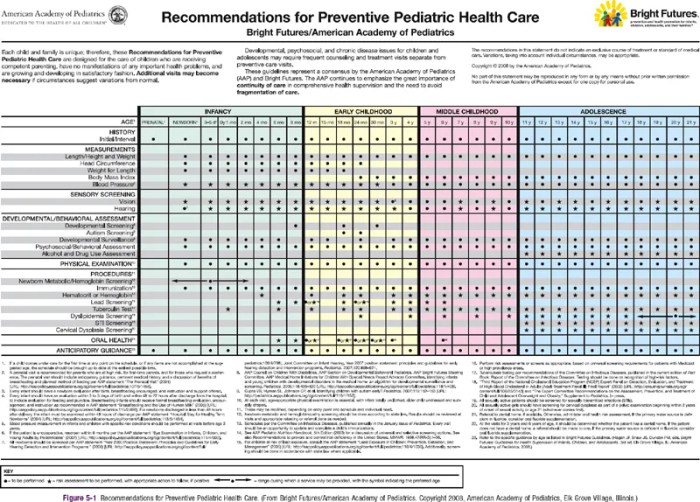
In pediatric care guidelines, the recommended vaccination schedule plays a crucial role in protecting children from various infectious diseases. Vaccinations are essential for building immunity and preventing the spread of contagious illnesses within communities.
Recommended Vaccination Schedule
The recommended vaccination schedule for children typically includes immunizations against diseases such as measles, mumps, rubella, polio, hepatitis B, diphtheria, tetanus, pertussis, influenza, and more. These vaccines are administered at specific ages to ensure optimal protection and immune response.
Significance of Following Vaccination Recommendations
Following vaccination recommendations is vital for pediatric patients as it helps prevent the spread of diseases, reduces the severity of illness if contracted, protects vulnerable populations, and contributes to the overall well-being of the community. By adhering to the recommended schedule, parents and healthcare providers can ensure that children are adequately protected against preventable diseases.
Recent Updates in Vaccination Guidelines
Recent updates in vaccination guidelines for children may include the introduction of new vaccines, adjustments to the timing of certain immunizations, or updates based on emerging infectious disease threats. It is essential for healthcare professionals to stay informed about these changes and communicate them effectively to parents and caregivers.
Comparison of Vaccination Guidelines Across Age Groups
Vaccination guidelines may vary across different age groups within pediatrics due to the specific immunization needs at various stages of childhood development. For example, infants and toddlers may require a series of vaccinations to establish immunity, while older children and adolescents may need booster shots to maintain protection. Understanding these differences is crucial for providing comprehensive care to pediatric patients.
Growth and Development Monitoring
Monitoring the growth and development of pediatric patients is crucial in ensuring their overall health and well-being. Regular assessments help healthcare providers track a child’s progress and detect any potential issues early on.
Methods of Monitoring
- Physical Examinations: Healthcare providers conduct regular physical exams to assess a child’s growth, motor skills, and overall development.
- Developmental Screenings: Screening tools are used to evaluate a child’s milestones in areas such as communication, motor skills, and social interactions.
- Growth Charts: Growth charts are used to track a child’s height, weight, and head circumference over time and compare them to standardized values.
Importance of Assessments
Regular growth and development assessments are essential for early detection of any delays or abnormalities, allowing for timely interventions and support services to be implemented. These assessments also provide valuable insights into a child’s overall health and well-being.
Using Growth Charts
Growth charts are important tools used by healthcare providers to monitor a child’s growth patterns and identify any deviations from the norm. By plotting a child’s measurements on a growth chart, healthcare providers can track their progress and ensure they are growing at a healthy rate.
Developmental Milestones
- Motor Skills: Milestones such as crawling, walking, and fine motor skills like grasping objects are monitored to ensure proper development.
- Language Development: Progress in speech and language skills, including vocabulary expansion and communication abilities, is closely observed.
- Social and Emotional Development: Milestones related to social interactions, emotional regulation, and behavior are assessed to gauge a child’s overall development.
Preventive Care Practices
Preventive care practices are essential in pediatric healthcare to ensure the well-being and healthy development of children. By implementing these practices, parents and caregivers can play a crucial role in safeguarding the health of their little ones.
Regular Health Check-ups
- Scheduling regular visits to the pediatrician for routine check-ups and vaccinations.
- Monitoring growth, development, and milestones to detect any issues early on.
- Discussing any concerns or changes in behavior with the healthcare provider.
Healthy Lifestyle Choices
- Encouraging nutritious diet and proper hydration for overall health.
- Promoting regular physical activity and limiting screen time.
- Ensuring adequate sleep for optimal growth and development.
Safety Measures
- Childproofing the home to prevent accidents and injuries.
- Using appropriate car seats and safety gear during travel.
- Teaching children about safety rules and precautions.
Immunizations
- Following the recommended vaccination schedule to protect against serious illnesses.
- Keeping track of immunization records and staying up-to-date with booster shots.
- Consulting with the pediatrician about any concerns regarding vaccines.
In conclusion, Pediatric Care Guidelines serve as a roadmap for healthcare professionals and caregivers, guiding them in providing the best possible care for children. By adhering to these guidelines, we can ensure that every child receives the attention and support necessary for a healthy and thriving future.
FAQ Corner
What are some common preventive care practices recommended in pediatric care guidelines?
Common preventive care practices include regular check-ups, vaccinations, healthy diet promotion, and safety measures at home.
How do growth charts track a child’s progress according to guidelines?
Growth charts compare a child’s measurements to established norms, helping healthcare providers monitor growth patterns and identify any potential issues.
Why is it important to follow vaccination recommendations for pediatric patients?
Following vaccination recommendations helps protect children from serious diseases and contributes to community immunity, safeguarding public health.


