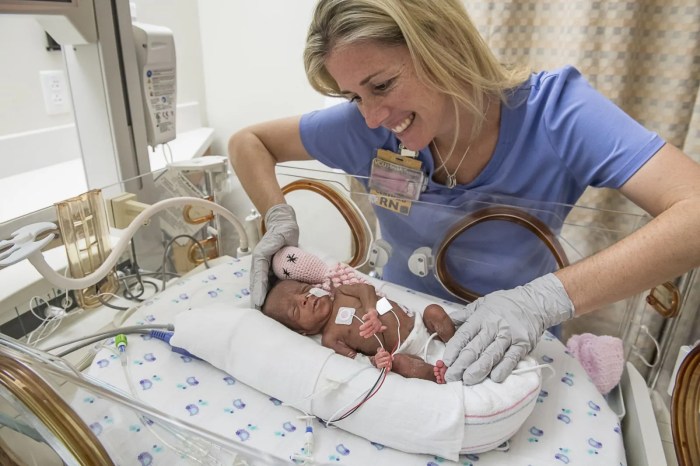
Embark on a journey into the world of Pediatric Care for Newborns, where we explore the vital aspects of ensuring the well-being and growth of these young ones.
From discussing common health concerns to vaccination schedules and growth milestones, this topic delves into the essentials of caring for newborns.
Overview of Pediatric Care for Newborns
Pediatric care for newborns is of utmost importance as it plays a crucial role in ensuring the health and well-being of infants in their earliest stages of life. Newborns are particularly vulnerable to various health risks, and proper pediatric care is essential for their growth and development.
Key components of pediatric care for newborns include regular check-ups, vaccinations, monitoring growth and development, addressing any health concerns or conditions, and providing guidance and support to parents on infant care and nutrition.
Role of Pediatricians in Providing Care for Newborns
- Conducting routine check-ups to monitor the overall health and development of newborns.
- Administering vaccinations according to the recommended schedule to protect newborns from preventable diseases.
- Diagnosing and treating common health issues such as infections, jaundice, feeding problems, and respiratory conditions.
- Providing guidance and support to parents on newborn care practices, breastfeeding, nutrition, and safe sleep practices.
- Collaborating with other healthcare professionals to ensure comprehensive care for newborns.
Common Pediatric Health Concerns for Newborns

Newborns are susceptible to a variety of health issues due to their delicate immune systems and developing bodies. It is crucial for parents to be aware of common pediatric health concerns for newborns in order to ensure their well-being from the start.It is important for parents to follow preventive measures to protect newborns from potential health concerns. This includes ensuring proper hygiene, keeping newborns away from sick individuals, and following vaccination schedules recommended by pediatricians.
Jaundice
Jaundice is a common condition in newborns caused by elevated levels of bilirubin in the blood. It leads to yellowing of the skin and eyes. Pediatricians diagnose jaundice through physical examination and may recommend phototherapy or other treatments to manage the condition.
Respiratory Infections
Newborns are prone to respiratory infections, such as the common cold or respiratory syncytial virus (RSV). Preventive measures include keeping newborns away from individuals with respiratory illnesses and ensuring a clean environment. Pediatricians may recommend supportive care and medications to manage symptoms.
Feeding Difficulties
Some newborns may experience feeding difficulties, such as difficulty latching or swallowing. Pediatricians can assess feeding patterns and provide guidance on proper feeding techniques. In some cases, specialized feeding interventions may be necessary.
Infections
Newborns are at risk of infections due to their developing immune systems. Common infections include urinary tract infections, skin infections, and respiratory infections. Pediatricians may conduct tests to diagnose infections and prescribe appropriate treatments, such as antibiotics.
Developmental Concerns
Pediatricians monitor newborns’ developmental milestones to identify any concerns early on. Parents should communicate any developmental delays or issues to their pediatrician for further evaluation and intervention if needed.
Vaccination Schedule for Newborns
In pediatric care for newborns, following a recommended vaccination schedule is crucial to protect them from serious diseases. Vaccinations play a vital role in strengthening the immune system of newborns and safeguarding their health in the early stages of life.
Recommended Vaccination Schedule
- At birth: Hepatitis B vaccine
- 1-2 months: Vaccines for diseases like Diphtheria, Tetanus, Pertussis (DTaP), Haemophilus influenzae type b (Hib), Polio (IPV), Pneumococcal conjugate vaccine (PCV), and Rotavirus
- 4 months: Repeat of 1-2 months vaccines
- 6 months: Additional vaccines such as Influenza
- 12-15 months: Vaccines for Measles, Mumps, Rubella (MMR), Varicella (Chickenpox), Hepatitis A, and additional boosters
Importance of Vaccinations
Vaccinations are essential in pediatric care for newborns as they provide immunity against various infectious diseases. By following the recommended schedule, newborns can develop protection against serious illnesses, preventing outbreaks and ensuring their overall well-being.
Protection from Serious Diseases
Vaccinations protect newborns from diseases like measles, polio, whooping cough, and hepatitis, which can have severe consequences if contracted at a young age. Through vaccination, newborns build immunity to these diseases, reducing the risk of complications and promoting a healthier start to life.
Growth and Development Milestones
Newborns go through various growth and development milestones in their early stages of life. These milestones are crucial indicators of a child’s overall health and well-being. Pediatricians closely monitor and assess these milestones to ensure that the newborn is developing properly.
Key Growth and Development Milestones
- Physical Growth: Newborns typically double their birth weight by around 5 months of age.
- Motor Skills: By 6 months, infants can usually roll over, sit up with support, and grasp objects.
- Cognitive Development: Newborns start recognizing familiar faces and objects by 2 months.
- Language Development: Babies begin cooing and babbling around 4 months and may say simple words by 1 year.
Monitoring and Assessment by Pediatricians
Pediatricians use growth charts and developmental screenings to track a newborn’s progress. Regular check-ups help identify any delays or issues early on to provide timely intervention and support.
Significance of Reaching Developmental Milestones
Reaching developmental milestones on time is a positive sign of a newborn’s healthy growth and progress. It indicates that the child is on track with their physical, cognitive, and emotional development, setting a strong foundation for future learning and well-being.
In conclusion, Pediatric Care for Newborns is a crucial aspect of ensuring a healthy start to life, with pediatricians playing a key role in monitoring growth and addressing health concerns.
FAQ Resource
What are some signs of common health issues in newborns?
Common signs include fever, poor feeding, breathing difficulties, and unusual rashes.
When should newborns receive their first vaccinations?
Newborns typically receive their first vaccinations within the first few days of life to protect against diseases.
How often should newborns have growth check-ups?
Newborns should have frequent growth check-ups in the first year of life to monitor development.