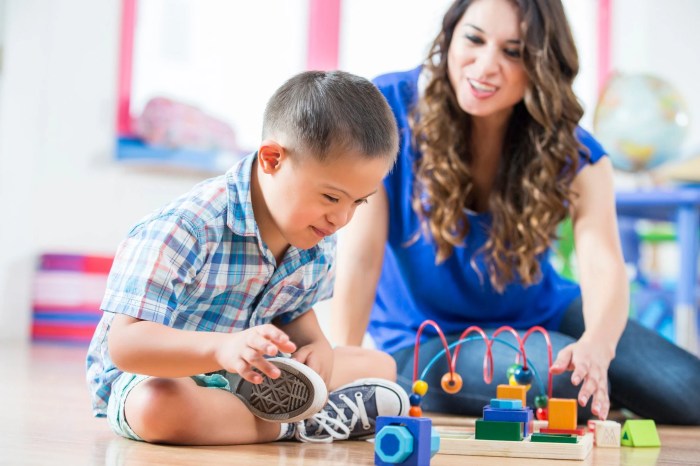
Pediatric Care for Special Needs sets the stage for this enthralling narrative, offering readers a glimpse into a story that is rich in detail and brimming with originality. From the importance of pediatric care to the challenges of providing care for children with special needs, this topic delves into the intricacies of healthcare for this unique population.
Pediatric Care

Pediatric care for children with special needs is crucial in ensuring their overall health and well-being. These children often require specialized medical attention and support to address their unique conditions and challenges.
Role of Pediatricians
Pediatricians play a vital role in caring for children with special needs. They are trained to diagnose, treat, and manage various pediatric conditions, including those that are associated with developmental delays, physical disabilities, and cognitive impairments. Pediatricians work closely with other healthcare professionals to provide comprehensive care tailored to the specific needs of each child.
- Collaborate with specialists: Pediatricians coordinate care with specialists such as pediatric neurologists, developmental pediatricians, and therapists to address the complex needs of children with special needs.
- Monitor growth and development: Pediatricians closely monitor the growth and development of children with special needs to ensure they are meeting milestones and receiving appropriate interventions as needed.
- Provide guidance and support: Pediatricians offer guidance to parents and caregivers on managing the unique challenges associated with caring for a child with special needs. They also provide resources and support services to help families navigate the healthcare system.
Specialized Training
Healthcare providers who work in pediatric care for special needs children undergo specialized training to effectively manage the complex medical and developmental needs of these patients.
Specialized training may include courses in pediatric neurodevelopment, behavioral pediatrics, and pediatric rehabilitation to equip healthcare providers with the knowledge and skills needed to care for children with special needs.
- Understanding developmental milestones: Healthcare providers learn about the typical developmental milestones and red flags for children with special needs to facilitate early intervention and appropriate treatment.
- Communication strategies: Training programs emphasize effective communication strategies to engage with children with special needs, their families, and other healthcare professionals involved in their care.
- Collaborative care approach: Healthcare providers are trained to work collaboratively in multidisciplinary teams to provide holistic care that addresses the medical, developmental, and psychosocial needs of children with special needs.
Types of Special Needs
Children with special needs may require unique pediatric care to address their specific healthcare needs. Common types of special needs that pediatricians may encounter include physical disabilities and autism spectrum disorder.
Physical Disabilities
Children with physical disabilities require specialized pediatric care to address their unique healthcare needs. These disabilities may include conditions such as cerebral palsy, spina bifida, muscular dystrophy, or limb differences. Pediatricians must collaborate with other healthcare professionals to provide comprehensive care that addresses mobility, pain management, assistive devices, and therapy services tailored to each child’s specific needs.
Autism Spectrum Disorder
Providing pediatric care for children with autism spectrum disorder (ASD) presents unique challenges and considerations. Pediatricians must have an understanding of the communication and social difficulties associated with ASD to provide effective care. Collaborating with behavioral therapists, speech therapists, and other specialists is crucial in developing individualized treatment plans that support the child’s development and well-being. Additionally, pediatricians must consider sensory sensitivities, routine-based care, and the potential for co-occurring medical conditions when managing the healthcare needs of children with ASD.
Early Intervention
Early intervention plays a crucial role in pediatric care for special needs children as it focuses on addressing developmental delays and providing necessary support at a young age.
Importance of Screening and Early Detection
Screening and early detection of developmental delays are essential in pediatric care to identify issues early on and start interventions promptly.
- Regular developmental screenings help in identifying delays in areas such as speech, motor skills, and social interactions.
- Early detection allows healthcare providers to create personalized intervention plans to address specific needs of each child.
- Starting interventions early can lead to better outcomes and improvements in overall development.
Examples of Early Intervention Programs
There are various early intervention programs designed to support children with special needs and their families:
- Early Start Program: This program focuses on providing services to infants and toddlers with developmental delays or disabilities.
- Applied Behavior Analysis (ABA): A therapy that helps children with autism improve social, communication, and behavior skills.
- Speech Therapy: Helps children with speech and language delays to improve communication skills.
- Physical Therapy: Assists children with motor delays to improve strength, coordination, and mobility.
Family-Centered Care
Family-centered care is a crucial approach in pediatric healthcare for children with special needs as it recognizes the vital role of families in the care process. By involving families, healthcare providers can create a supportive and collaborative environment that enhances the overall well-being of the child.
Importance of Family-Centered Care
Family-centered care empowers families to be actively involved in decision-making regarding their child’s care, leading to more personalized and effective treatment plans. It also helps build trust between healthcare providers and families, resulting in improved communication and better outcomes for the child.
- Encourages shared decision-making
- Promotes a holistic approach to care
- Enhances family satisfaction and confidence in the care provided
Strategies for Involving Families
Healthcare providers can involve families in the care process by fostering open communication, providing education and resources, and respecting the unique perspectives and preferences of each family. By actively engaging families, healthcare providers can better understand the needs of the child and tailor care plans accordingly.
- Establishing open lines of communication
- Offering educational materials and resources
- Respecting cultural and familial beliefs
Benefits of Collaborative Approach
A collaborative approach between healthcare providers and families in pediatric care leads to improved health outcomes, increased family satisfaction, and better overall quality of life for the child. By working together, healthcare providers and families can create a comprehensive and individualized care plan that addresses the unique needs of the child.
“Collaboration between healthcare providers and families is key to achieving the best possible outcomes for children with special needs.”
- Enhanced care coordination
- Improved treatment adherence
- Promotion of family empowerment and resilience
In conclusion, Pediatric Care for Special Needs highlights the essential aspects of providing comprehensive healthcare to children with special needs. By emphasizing early intervention, family-centered care, and specialized training for healthcare providers, this discussion paves the way for a brighter future for these children.
Detailed FAQs
What are some common types of special needs that require pediatric care?
Common types include autism spectrum disorder, physical disabilities, and developmental delays.
How important is early intervention in pediatric care for special needs children?
Early intervention plays a crucial role in improving outcomes for children with special needs by addressing developmental delays promptly.
What is family-centered care in pediatric healthcare?
Family-centered care involves actively involving families in the care process and considering their input and needs when providing healthcare to children with special needs.


