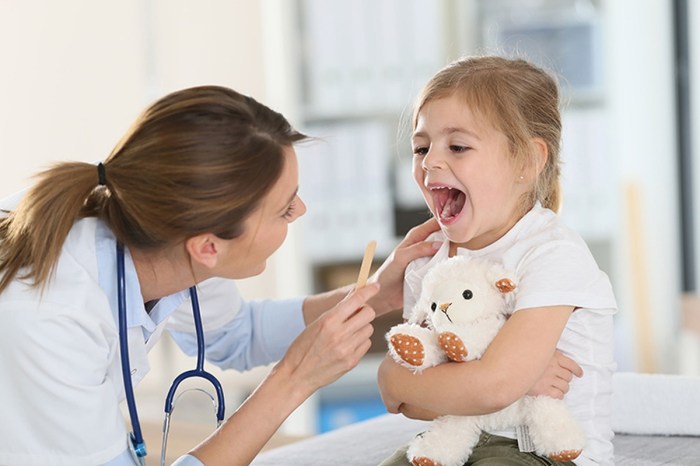
Embark on the journey of Pediatric Care for Toddlers, exploring the vital aspects that contribute to their well-being and growth. From regular check-ups to nutritional needs, this guide covers it all.
Delve into the world of pediatric care for toddlers, where preventative measures and developmental milestones play a crucial role in nurturing their health and happiness.
Pediatric Care for Toddlers
Regular check-ups are crucial for toddlers to monitor their growth and development, as well as to detect any potential health concerns early on. These visits allow healthcare providers to assess the child’s overall health, provide necessary vaccinations, and offer guidance to parents on proper nutrition and safety measures.
Common Health Concerns
- Respiratory Infections: Toddlers are prone to colds, flu, and other respiratory illnesses due to their developing immune systems.
- Ear Infections: The anatomy of a toddler’s ear makes them more susceptible to infections, which can cause pain and temporary hearing loss.
- Skin Conditions: Eczema, diaper rash, and other skin issues are common in toddlers and may require specific care and treatment.
- Gastrointestinal Disturbances: Issues like constipation, diarrhea, and food allergies can affect a toddler’s digestive system.
Role of Vaccinations
Vaccinations play a vital role in protecting toddlers from serious diseases such as measles, mumps, rubella, and whooping cough. By following the recommended vaccination schedule, parents can help build immunity in their child and prevent the spread of contagious illnesses in the community.
Tips for Maintaining Toddler Health at Home
- Encourage Healthy Eating: Provide a balanced diet rich in fruits, vegetables, whole grains, and lean proteins to support your toddler’s growth and development.
- Promote Regular Exercise: Encourage active play and physical activity to help your toddler build strength, coordination, and cardiovascular health.
- Ensure Adequate Sleep: Establish a bedtime routine and create a conducive sleep environment to ensure your toddler gets the recommended amount of sleep for their age.
- Practice Proper Hygiene: Teach your toddler good handwashing habits, and ensure they cover their mouth when coughing or sneezing to prevent the spread of germs.
Developmental Milestones
Toddlers go through various developmental milestones that are crucial for their growth and overall well-being. Pediatricians play a vital role in tracking and monitoring these milestones to ensure that toddlers are developing properly and reaching their full potential.
Key Developmental Milestones for Toddlers
- Walking independently by around 12-15 months
- Starting to use simple words and understand basic instructions by 18 months
- Engaging in pretend play and showing more independence by 2 years old
- Beginning to show empathy and forming simple friendships by 3 years old
Tracking and Monitoring a Toddler’s Growth and Development
Pediatricians use various tools and assessments to track a toddler’s growth and development. This includes regular check-ups, developmental screenings, and milestone evaluations to ensure that the child is progressing as expected.
Significance of Early Intervention in Addressing Developmental Delays
Early intervention is key in addressing developmental delays as it can help improve outcomes and prevent long-term challenges. Pediatricians work closely with parents to identify any delays early on and provide appropriate interventions to support the child’s development.
Activities that Promote Healthy Development in Toddlers
- Reading books and engaging in interactive storytelling
- Encouraging imaginative play and creative expression
- Providing opportunities for physical activity and outdoor play
- Supporting social interactions and encouraging positive relationships with peers
Nutrition and Diet

Proper nutrition is crucial for the healthy growth and development of toddlers. It is essential to provide a balanced diet that meets their specific nutritional requirements.
Nutritional Requirements for Toddlers
- Toddlers need a variety of nutrients, including carbohydrates, proteins, fats, vitamins, and minerals, to support their rapid growth and development.
- Calcium and iron are particularly important for toddlers to support bone health and cognitive development.
- Offering a variety of foods from all food groups helps ensure that toddlers receive the necessary nutrients for their overall health.
Common Feeding Challenges and Solutions
- Some toddlers may be picky eaters and refuse certain foods. To address this, offer a variety of healthy options and involve them in meal preparation to make eating more enjoyable.
- Mealtime tantrums are common but establishing a routine and creating a positive eating environment can help reduce mealtime struggles.
- If a toddler has food allergies or intolerances, work with a healthcare provider to develop a safe and nutritious meal plan.
Importance of a Balanced Diet in Toddler Growth and Development
A balanced diet is essential for toddlers as it provides the necessary nutrients for their physical growth, cognitive development, and overall health. Proper nutrition supports immune function, energy levels, and brain development.
Tips for Introducing New Foods to Toddlers
- Introduce new foods gradually and offer them alongside familiar foods to increase acceptance.
- Encourage toddlers to explore different textures and flavors by incorporating a variety of foods into their meals.
- Be patient and persistent when introducing new foods, as it may take multiple attempts before a toddler accepts them.
Safety and Injury Prevention
In order to keep toddlers safe and prevent injuries, it is crucial to childproof their environment and be prepared to handle common accidents that may occur.
Childproofing Measures
- Install safety gates at the top and bottom of stairs to prevent falls.
- Secure heavy furniture to the wall to prevent tipping.
- Cover electrical outlets with safety plugs.
- Store household cleaners, medications, and other toxic substances out of reach.
- Keep small objects that can be choking hazards away from toddlers.
Common Household Hazards
- Sharp objects such as knives, scissors, and needles.
- Hot liquids and appliances in the kitchen.
- Cords from blinds or curtains that can pose a strangulation risk.
- Pools, bathtubs, and buckets of water that can lead to drowning.
First Aid Tips for Common Toddler Injuries
- If a toddler gets a minor cut or scrape, wash the wound with soap and water, apply an antiseptic, and cover with a bandage.
- For burns, run cool water over the affected area for at least 10 minutes and seek medical attention if severe.
- If a toddler ingests a toxic substance, contact Poison Control immediately for guidance.
Car Seat Safety and Preventive Measures
- Ensure that the car seat is properly installed in the back seat of the vehicle.
- Follow the manufacturer’s guidelines for weight and height limits of the car seat.
- Keep toddlers in rear-facing car seats until they reach the maximum weight or height allowed.
- Avoid placing bulky clothing on toddlers while in the car seat to ensure a secure fit.
In conclusion, Pediatric Care for Toddlers is a comprehensive approach to safeguarding the health and development of our little ones. By staying informed and proactive, we can ensure a bright and thriving future for our toddlers.
FAQ
What are some common health concerns specific to toddlers?
Common health concerns for toddlers include frequent colds, ear infections, and skin rashes.
How can I childproof my toddler’s environment?
Childproofing involves securing cabinets, covering electrical outlets, and installing safety gates.
What are the nutritional requirements for toddlers?
Toddlers need a balanced diet rich in fruits, vegetables, whole grains, and proteins for healthy growth.