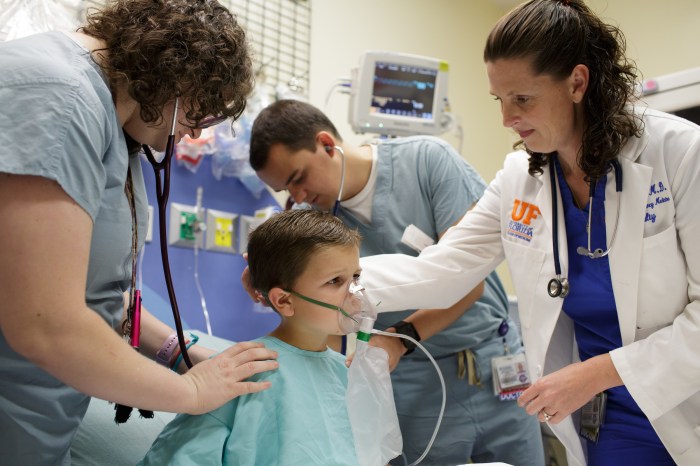
Embark on a journey into the world of Pediatric Emergency Care, where quick and efficient treatment is crucial for young patients in critical situations. This overview will delve into the specialized care, common emergencies, and innovative practices shaping pediatric emergency departments.
Pediatric Care
Pediatric care plays a crucial role in the healthcare system, focusing on the unique medical needs of children from infancy to adolescence. Providing specialized care for pediatric patients is essential to ensure their growth, development, and overall well-being.
Specialized Approach for Pediatric Patients
Pediatric care requires a specialized approach due to the physiological and psychological differences between children and adults. Healthcare providers must be trained to communicate effectively with children, adapt treatment plans to their age and size, and consider their emotional needs during medical procedures.
Key Differences Between Pediatric Care and Adult Care
1. Dosage and Medication
Pediatric patients require different dosages of medications based on their weight and age, unlike adults.
2. Developmental Considerations
Healthcare providers must consider the developmental stages of children when diagnosing and treating conditions.
3. Communication
Pediatric care involves communicating with both the child and their caregivers to ensure proper understanding and compliance with treatment plans.
Challenges in Delivering Pediatric Care
- Size and Dosage: Calculating and administering the correct dosage of medications based on a child’s weight can be challenging.
- Emotional Distress: Children may experience fear and anxiety during medical procedures, requiring extra care and patience from healthcare providers.
- Diagnosis: Symptoms of certain conditions in children may present differently than in adults, making diagnosis more complex.
- Parental Involvement: Balancing communication and decision-making with both the child and their parents can be challenging.
Pediatric Emergency Care
Pediatric emergency care is a specialized medical service dedicated to providing immediate and critical care to infants, children, and adolescents who require urgent medical attention. It plays a crucial role in saving young lives and preventing long-term complications that may arise from untreated emergencies.
Role of Pediatric Emergency Departments
Pediatric emergency departments in hospitals are equipped with healthcare providers who are trained specifically to handle emergencies in children. These departments are designed to create a child-friendly environment that caters to the unique needs of pediatric patients, ensuring they receive prompt and appropriate care.
- Pediatric emergency departments have specialized equipment and medications tailored to the needs of children, ensuring quick and effective treatment.
- Healthcare providers in these departments have expertise in managing pediatric emergencies, including conditions like respiratory distress, seizures, and severe infections.
- Child life specialists may be available to provide emotional support to children and families during stressful and frightening situations.
Common Pediatric Emergencies
Pediatric healthcare providers often encounter a variety of emergencies in children, including but not limited to:
- Respiratory distress, such as asthma exacerbations or foreign body obstructions
- Seizures and convulsions
- Dehydration and electrolyte imbalances
- Traumatic injuries from falls, accidents, or sports-related incidents
- Serious infections like meningitis or sepsis
Protocols and Procedures in Pediatric Emergency Care
In pediatric emergency care, healthcare providers follow established protocols and procedures to ensure the best outcomes for young patients. This may include:
- Assessment and stabilization of the child’s condition upon arrival
- Performing diagnostic tests like blood work, imaging studies, and electrocardiograms
- Administering appropriate medications and treatments based on the child’s diagnosis
- Consulting with pediatric specialists or transferring the child to a higher level of care if needed
Training and Education

Pediatric emergency care requires specialized training to ensure healthcare providers are equipped to handle the unique needs of children in emergency situations. This field demands a high level of expertise and knowledge to deliver quality care to pediatric patients.
Specialized Training
- Healthcare providers working in pediatric emergency care must undergo specialized training that focuses on the assessment, treatment, and management of pediatric emergencies.
- This training includes learning about the physiological differences in children, recognizing pediatric-specific illnesses and injuries, and understanding how to communicate effectively with pediatric patients and their families.
- Providers also receive training on using pediatric-specific equipment and medications to ensure safe and effective care.
Ongoing Education and Skill Development
- Continuous education and skill development are crucial in pediatric emergency care to stay updated on the latest guidelines, protocols, and advancements in pediatric medicine.
- Healthcare providers participate in regular training sessions, workshops, and conferences to enhance their knowledge and skills in pediatric emergency care.
- By staying informed and continuously improving their expertise, providers can deliver high-quality care and improve patient outcomes.
Certifications and Qualifications
- To work in pediatric emergency care, healthcare providers need certifications such as Pediatric Advanced Life Support (PALS) and Advanced Pediatric Life Support (APLS).
- Other qualifications may include Pediatric Emergency Assessment, Recognition, and Stabilization (PEARS) certification and Emergency Nursing Pediatric Course (ENPC) for nurses working in the field.
- Having these certifications and qualifications demonstrates a provider’s competence and readiness to handle pediatric emergencies.
Simulation Training
- Simulation training plays a crucial role in preparing healthcare providers for pediatric emergencies by allowing them to practice their skills in a controlled environment.
- Providers participate in simulated scenarios that mimic real-life pediatric emergencies, helping them enhance their decision-making, communication, and technical skills.
- By engaging in simulation training, healthcare providers can improve their confidence and readiness to respond effectively to pediatric emergencies when they occur.
Technology and Innovations
The role of technology in pediatric emergency care has been crucial in enhancing the quality and efficiency of treatment for young patients. Innovative tools and equipment in pediatric emergency departments have revolutionized the way healthcare providers deliver care to children in critical situations. Telemedicine, in particular, has emerged as a game-changer, offering remote access to specialized pediatric care and consultation, especially in underserved areas.
Telemedicine in Pediatric Emergency Care
Telemedicine has transformed the landscape of pediatric emergency care by enabling healthcare providers to assess and treat young patients virtually. Through video consultations, physicians can evaluate symptoms, provide guidance to parents, and even prescribe medications when necessary. This technology has been particularly beneficial in cases where immediate medical attention is required, but physical access to a healthcare facility is limited.
Innovative Equipment in Pediatric Emergency Departments
Pediatric emergency departments are equipped with state-of-the-art tools and devices designed specifically for young patients. From advanced imaging techniques such as ultrasound and MRI to specialized airway management equipment, these innovations help healthcare providers diagnose and treat pediatric emergencies with precision and speed. For example, portable ultrasound machines allow for quick and accurate assessment of internal injuries in children, minimizing the need for invasive procedures.
Technological Advancements for Pediatric Patients
Technological advancements such as wearable monitors and remote monitoring systems have significantly improved the monitoring and management of pediatric patients in emergency situations. These devices track vital signs, detect abnormalities, and alert healthcare providers in real-time, ensuring timely interventions and better outcomes for young patients. Additionally, the integration of electronic health records and digital communication tools has streamlined the coordination of care among multidisciplinary teams, enhancing overall efficiency and quality of pediatric emergency care.
In conclusion, Pediatric Emergency Care plays a vital role in ensuring the well-being of children during medical emergencies, highlighting the significance of specialized training, innovative technologies, and efficient protocols in providing optimal care for young patients.
Quick FAQs
What are some common pediatric emergencies?
Common pediatric emergencies include seizures, asthma attacks, and severe allergic reactions.
What certifications are needed to work in pediatric emergency care?
Healthcare providers in pediatric emergency care typically need certifications like PALS (Pediatric Advanced Life Support) and ENPC (Emergency Nursing Pediatric Course).
How does simulation training help in preparing for pediatric emergencies?
Simulation training allows healthcare providers to practice real-life scenarios and improve their response to pediatric emergencies in a controlled environment.


