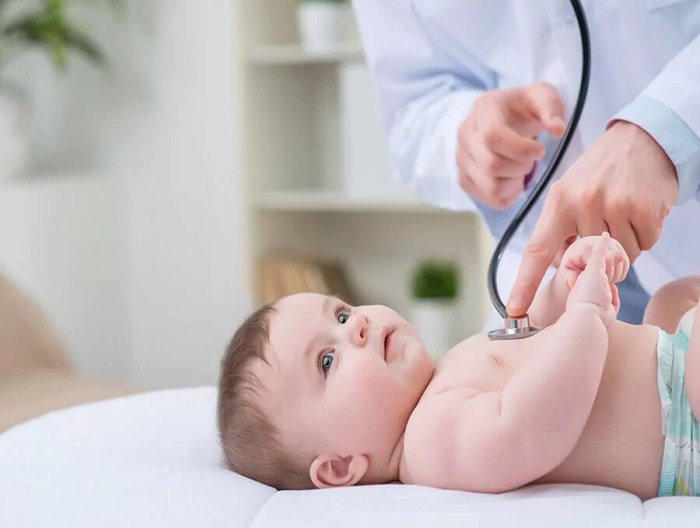
With Pediatric Health and Wellness at the forefront, this paragraph opens a window to an amazing start and intrigue, inviting readers to embark on a storytelling filled with unexpected twists and insights. Regular check-ups, nutrition, physical activity, and mental health form the core of pediatric care, ensuring a holistic approach to children’s well-being.
Exploring the importance of check-ups, nutrition, physical activity, and mental health in pediatric care sets the stage for a comprehensive understanding of how to support children’s health and wellness effectively.
Pediatric Health and Wellness

Regular check-ups are essential for monitoring the growth and development of children. These appointments allow healthcare providers to track any potential health issues early on and provide necessary interventions.
Role of Nutrition in Pediatric Health
Proper nutrition plays a crucial role in children’s overall health and well-being. A balanced diet rich in fruits, vegetables, whole grains, and lean proteins is essential for proper growth and development. Nutrient deficiencies can lead to various health problems, so it is important to ensure that children are getting the necessary vitamins and minerals through their diet.
Significance of Physical Activity for Children’s Wellness
Physical activity is key to maintaining a healthy weight, strengthening muscles and bones, and promoting overall well-being in children. Encouraging children to engage in regular physical activity, such as playing sports, riding bikes, or simply running around outside, can help reduce the risk of obesity and other health conditions.
Tips on Promoting Mental Health in Pediatric Care
Mental health is just as important as physical health in children. Encouraging open communication, providing a supportive environment, and teaching coping mechanisms for stress and anxiety are all crucial for promoting good mental health in pediatric care. Additionally, ensuring that children have a healthy work-life balance and adequate sleep can also contribute to positive mental well-being.
Pediatric Care
In pediatric care, it is crucial to ensure the well-being and health of children from infancy to adolescence. This includes providing necessary vaccines, monitoring developmental milestones, and knowing how to handle common illnesses that may arise.
Common Vaccines for Children
- DTaP (Diphtheria, Tetanus, Pertussis): Protects against these serious bacterial infections.
- MMR (Measles, Mumps, Rubella): Guards against these contagious viral diseases.
- Hepatitis B: Prevents liver infection caused by the hepatitis B virus.
- Varicella (Chickenpox): Provides immunity against the varicella-zoster virus.
Developmental Milestones
- Infancy: Milestones include smiling, sitting up, and babbling.
- Toddlerhood: Walking, talking, and potty training are typical milestones.
- Childhood: Reading, writing, and social skills development are key milestones.
- Adolescence: Puberty, emotional changes, and independence are important milestones.
Preventive Care vs. Reactive Care
Preventive care in pediatrics focuses on keeping children healthy through regular check-ups, vaccinations, and screenings. On the other hand, reactive care involves treating illnesses or conditions after they have already developed.
Managing Pediatric Illnesses at Home
- For fever: Keep your child hydrated, dress them lightly, and give acetaminophen or ibuprofen as directed.
- For cough and cold: Use a humidifier, offer warm liquids, and ensure plenty of rest.
- For stomach issues: Encourage bland foods, clear fluids, and monitor for dehydration.
- For minor injuries: Clean wounds, apply a bandage, and watch for signs of infection.
In conclusion, Pediatric Health and Wellness encompass a range of factors vital for children’s growth and development. By focusing on preventive measures, nurturing healthy habits, and staying attuned to their needs, we pave the way for a brighter, healthier future for the younger generation.
Helpful Answers
How often should children have check-ups?
Children should have regular check-ups as recommended by their pediatrician, typically at least once a year for routine assessments and screenings.
What role does nutrition play in pediatric health?
Nutrition is crucial for children’s growth and development, providing essential nutrients for their overall well-being and immune system.
How can parents promote mental health in pediatric care?
Parents can promote mental health by creating a supportive environment, fostering open communication, and seeking professional help if needed.
What are some common pediatric vaccines and their benefits?
Common pediatric vaccines include those for measles, mumps, rubella, and polio, which help prevent serious illnesses and protect children from infections.
What are the differences between preventive care and reactive care in pediatrics?
Preventive care focuses on maintaining health and preventing diseases, while reactive care addresses existing health issues and provides treatment after symptoms appear.


