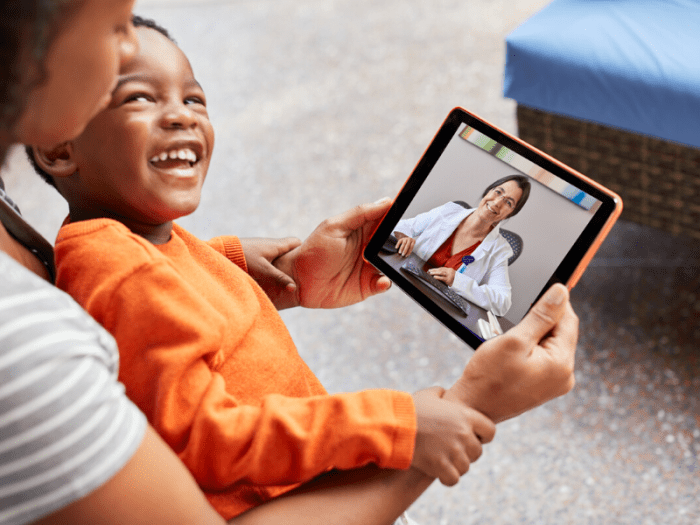
Embark on a journey through the world of Telemedicine for Pediatric Care, where cutting-edge technology meets compassionate healthcare to transform the way children receive medical treatment.
As we delve deeper, we will uncover the essential aspects of telemedicine tailored to pediatric patients, exploring its benefits, challenges, and future prospects.
Introduction to Telemedicine for Pediatric Care

Telemedicine involves using technology to provide healthcare remotely, allowing patients to consult with healthcare professionals without being physically present in a clinic or hospital. In the context of pediatric care, telemedicine plays a crucial role in ensuring children receive timely and accessible healthcare services.
Benefits of Telemedicine in Pediatric Care
- Increased Access: Telemedicine enables children in remote or underserved areas to access specialized pediatric care without the need for travel.
- Convenience: Parents can consult with pediatricians from the comfort of their homes, reducing the need for unnecessary clinic visits.
- Timely Interventions: Telemedicine allows for quick assessments and consultations, leading to early detection and treatment of pediatric health issues.
- Continuity of Care: Telemedicine facilitates ongoing communication between pediatricians and parents, ensuring consistent monitoring and management of children’s health.
Telemedicine offers several benefits in providing healthcare for children:
Challenges and Limitations of Telemedicine in Pediatric Care
- Lack of Physical Examination: Remote consultations may limit the ability of pediatricians to conduct thorough physical examinations, potentially affecting diagnosis accuracy.
- Technological Barriers: Not all families have access to the necessary technology or reliable internet connection for telemedicine consultations, leading to disparities in healthcare access.
- Privacy and Security Concerns: Protecting children’s sensitive health information during remote consultations poses challenges in maintaining confidentiality and data security.
- Regulatory Hurdles: Telemedicine practices for pediatric care may be subject to complex regulations and licensure requirements, affecting the scope of services provided.
Despite its advantages, telemedicine in pediatric care also faces certain challenges and limitations:
Telemedicine Technologies for Pediatric Care
Telemedicine for pediatric care relies on a variety of advanced technologies to facilitate remote consultations and diagnosis for young patients. These technologies play a crucial role in ensuring efficient and effective healthcare delivery, especially in situations where in-person visits may not be possible.
Video Conferencing
Video conferencing is one of the primary technologies used in telemedicine for pediatric care. It allows healthcare providers to conduct virtual consultations with patients and their families in real-time. Through video conferencing, doctors can visually assess a child’s condition, discuss symptoms, and provide medical advice without the need for a physical visit.
Remote Monitoring Devices
Remote monitoring devices, such as wearable sensors and home monitoring kits, enable pediatricians to remotely track vital signs, symptoms, and other health metrics of pediatric patients. These devices help in the continuous monitoring of a child’s health status, allowing healthcare providers to intervene promptly if any concerns arise.
Store-and-Forward Technology
Store-and-forward technology involves the transmission of patient data, such as medical images, videos, and test results, from one healthcare provider to another for consultation and diagnosis. In pediatric care, this technology is particularly useful for sharing diagnostic images like X-rays and MRIs with specialists for expert opinions.
Telemedicine Platforms
There are various telemedicine platforms available specifically designed for pediatric care, offering features tailored to the unique needs of young patients. Some platforms provide child-friendly interfaces, secure messaging options for parents, and integrated electronic health records for seamless communication and coordination among healthcare providers.
Importance of Telemedicine in Pediatric Care
Telemedicine plays a crucial role in ensuring timely access to pediatric healthcare, especially in remote areas where physical healthcare facilities may be limited. By leveraging technology, telemedicine bridges the gap between pediatric patients and healthcare providers, enabling consultations and treatments without the need for in-person visits.Telemedicine can significantly improve healthcare outcomes for children by allowing for early intervention and continuous monitoring of chronic conditions.
This proactive approach helps in preventing complications, reducing hospitalizations, and ultimately enhancing the overall quality of pediatric care.
Examples of Successful Telemedicine Interventions in Pediatric Care
- Remote monitoring of pediatric patients with chronic conditions such as asthma, diabetes, or epilepsy, allowing for timely adjustments to treatment plans.
- Teleconsultations for pediatric behavioral and mental health issues, providing access to child psychologists and psychiatrists in areas with a shortage of specialists.
- Telemedicine-enabled school health programs that connect school nurses with pediatricians for real-time consultations, ensuring prompt medical attention for students.
- Virtual pediatric urgent care services that offer quick assessments and treatment recommendations for common childhood illnesses, reducing ER visits and wait times.
Telemedicine Consultations in Pediatric Care
Telemedicine consultations in pediatric care involve the use of technology to connect healthcare providers with young patients remotely. This allows for medical assessments, diagnosis, and treatment planning without the need for in-person visits to a healthcare facility.
Types of Conditions Suitable for Telemedicine Consultations
- Minor illnesses and injuries: Common cold, flu symptoms, rashes, minor cuts, and bruises.
- Chronic disease management: Asthma, diabetes, and allergies with routine monitoring and medication adjustments.
- Behavioral and developmental concerns: ADHD, anxiety, and speech delays that require ongoing evaluation and therapy.
- Follow-up visits: Postoperative care, medication follow-ups, and general check-ins after initial in-person consultations.
Role of Caregivers in Facilitating Telemedicine Consultations
Caregivers play a crucial role in making telemedicine consultations successful for children. They need to ensure a suitable environment for the virtual visit, including a quiet space, good internet connection, and necessary medical information. Caregivers also need to assist in the physical examination of the child, following instructions from the healthcare provider. Additionally, caregivers should actively participate in the discussion, ask questions, and provide relevant feedback to ensure the best possible care for their child.
Pediatric Care Considerations in Telemedicine
When providing pediatric care through telemedicine, healthcare providers face unique challenges and considerations that must be addressed to ensure the quality and safety of consultations. Establishing rapport and engaging with young patients in a virtual setting requires special techniques and attention.
Ensuring Quality and Safety in Pediatric Telemedicine Consultations
Healthcare providers must implement specific protocols and guidelines to maintain the quality and safety of pediatric telemedicine consultations. This includes verifying the identity of the patient and caregiver, ensuring secure and encrypted communication channels, and obtaining informed consent for telemedicine services.
Establishing Rapport with Young Patients
When interacting with young patients through telemedicine, pediatricians should use age-appropriate language, visual aids, and engaging activities to keep the child’s attention. Building trust and rapport virtually requires active listening, empathy, and creating a comfortable and welcoming virtual environment.
Future Trends in Telemedicine for Pediatric Care
As telemedicine continues to advance, there are several emerging trends and innovations specifically tailored for pediatric patients that are shaping the future of healthcare.
Artificial Intelligence and Machine Learning
Artificial intelligence (AI) and machine learning are expected to play a significant role in pediatric telemedicine. These technologies can help in diagnosing conditions, analyzing data, and providing personalized treatment plans for children.
Remote Monitoring and Wearable Devices
The use of remote monitoring devices and wearable technology will likely increase in pediatric telemedicine. These tools can track vital signs, medication adherence, and overall health status, allowing healthcare providers to monitor patients from a distance.
Virtual Reality and Gamification
Virtual reality (VR) and gamification are being explored as methods to engage pediatric patients during telemedicine consultations. By creating interactive and immersive experiences, healthcare providers can make the telemedicine experience more enjoyable for children.
Telemedicine Integration with Electronic Health Records
Efforts are being made to integrate telemedicine platforms with electronic health records (EHRs) to ensure seamless communication and data sharing between healthcare providers. This integration can improve care coordination and enhance the overall patient experience.
Telepsychiatry and Mental Health Support
Telepsychiatry services and mental health support for pediatric patients are expected to expand in telemedicine. This can help address the growing mental health needs of children and adolescents, providing access to counseling and therapy remotely.
In conclusion, Telemedicine for Pediatric Care stands as a beacon of hope for ensuring timely and quality healthcare for our young ones, paving the way for a brighter and healthier future.
Questions and Answers
How does telemedicine impact pediatric healthcare?
Telemedicine enhances access to specialized care for children in remote areas, improves follow-up care, and reduces the need for in-person visits.
What are the challenges of using telemedicine for pediatric care?
Challenges include ensuring effective communication with young patients, addressing parental concerns about virtual consultations, and maintaining data privacy.


